
Central Station Monitoring
Looking for reliable 24/7 remote monitoring of your premises? ZAJCO SA’s Central Station Monitoring gives you peace of mind with real-time response to fire, intrusion, or equipment failures. Our platform ensures that any critical event is immediately detected, analyzed, and escalated to your on-ground team or authorities.
Whether you’re a facility manager, building owner, or safety officer, ZAJCO’s solution keeps your environment secure, compliant, and under control.
Description
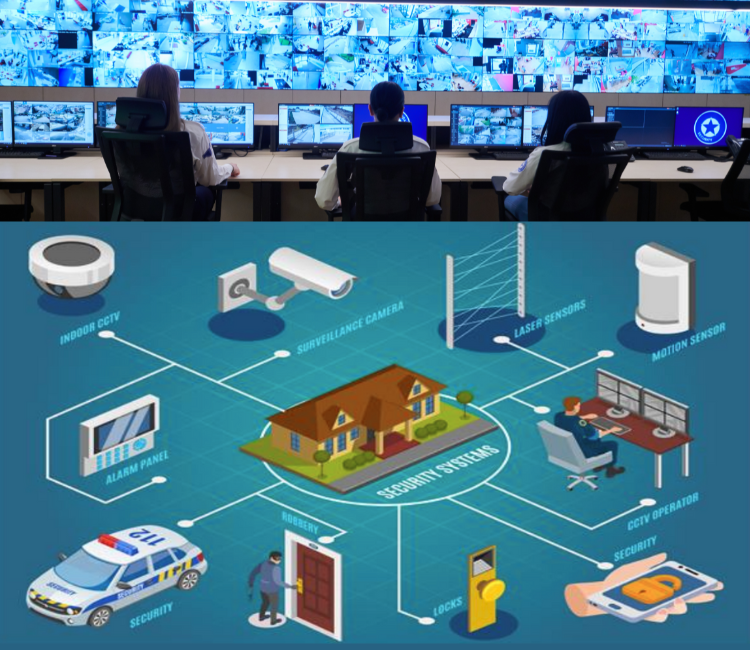
ZAJCO SA provides comprehensive Central Station Monitoring solutions, integrating advanced surveillance, ELV, and security systems into a centralized command center for real-time site protection.
Our service includes:
-
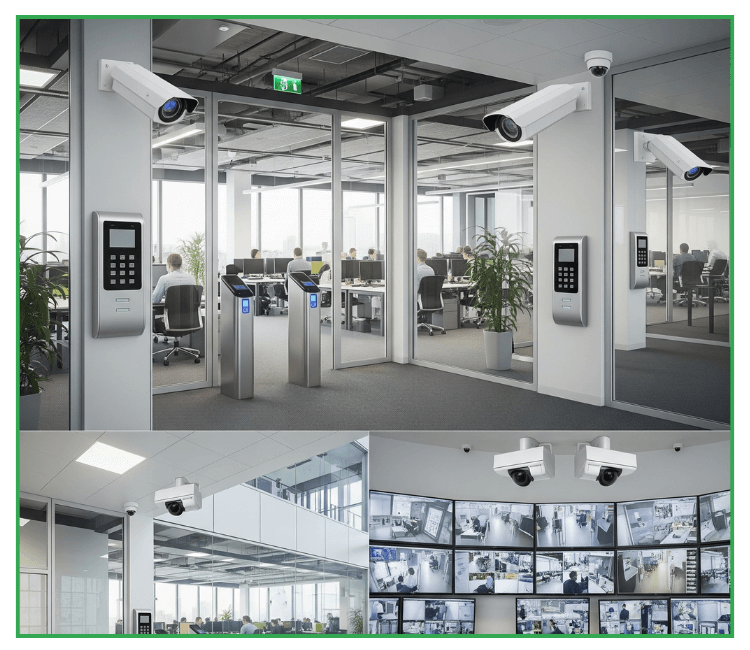
High-definition CCTV camera monitoring (indoor & outdoor)
-
Burglar & panic alarm integration
-
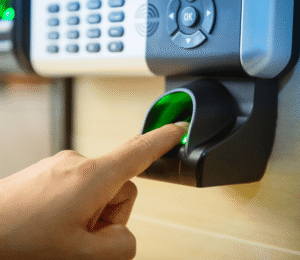
Access control and smart lock monitoring
-
Motion & laser sensor management
-
Real-time alerts and security response coordination
-
Installation, implementation, maintenance & Annual Maintenance Contracts (AMCs)
ZAJCO’s Central Station Monitoring setup includes fully equipped CCTV command centers, manned by trained professionals, ensuring continuous oversight and rapid response.
We deliver a complete end-to-end deployment:
✅ Design → ✅ Installation → ✅ Implementation → ✅ Integration → ✅ 24×7 Operation & Support.
They operate across Saudi Arabia, India, Qatar, and Oman, providing localized support backed by international engineering standards and trusted technology partnerships.
Know more about “Central Station Monitoring” :
- What is Central Station Monitoring?
Central Station Monitoring is a service where a dedicated, 24/7 manned facility (the “central station”) monitors alarm systems (security, fire, environmental) remotely. When an alarm is triggered, trained operators receive the signal and take appropriate action. - How does Central Station Monitoring work?
When an alarm system (e.g., burglar alarm, fire alarm) at a client’s premises is activated, it sends a signal to the central station. Operators at the station verify the alarm, then dispatch emergency services (police, fire department, ambulance) and/or notify designated contacts (e.g., property owners, managers). - What are the main benefits of Central Station Monitoring?
Key benefits include 24/7 continuous protection, rapid response to emergencies, professional verification of alarms (reducing false alarms), peace of mind, potential insurance discounts, and immediate dispatch of authorities even when the client is away or unable to respond. - What types of systems does Central Station Monitoring cover?
It typically covers:- Intrusion Detection/Burglar Alarms
- Fire Alarm Systems (smoke, heat, sprinkler alerts)
- Panic/Holdup Alarms
- Medical/Personal Emergency Response Systems (PERS)
- Environmental Alarms (e.g., flood, temperature extremes, carbon monoxide)
- Access Control Systems (monitoring unauthorized attempts)
- CCTV/Video Surveillance (video verification of alarms)
- What does “UL Listed Central Station” mean?
“UL Listed” by Underwriters Laboratories (UL) signifies that the central station meets strict independent standards for building structure, equipment, staffing, and operational procedures, ensuring a high level of reliability and security. This is often a requirement for insurance or specific commercial applications. - Is Central Station Monitoring available for both commercial and residential properties?
Yes, Central Station Monitoring services are widely available and crucial for both commercial buildings (offices, retail, industrial, government) and residential properties (homes, apartments, communities). - How does Central Station Monitoring improve fire safety?
It provides constant monitoring for fire alarm signals, immediately dispatching the local fire department and notifying designated personnel, significantly reducing response times in fire emergencies. - What is the difference between Central Station Monitoring and self-monitoring?
Central Station Monitoring involves a professional, third-party monitoring center. Self-monitoring means the alarm system sends alerts directly to the homeowner/business owner’s phone or email, requiring them to take action. Central station monitoring offers a professional, guaranteed response. - What technology is used for alarm transmission to the central station?
Signals are typically transmitted via multiple communication paths for redundancy, including cellular (GSM/LTE), IP (internet protocol), and sometimes traditional landlines. - How do central station operators verify alarms to reduce false dispatches?
Operators often use methods like:- Call the premises’ registered phone number.
- Checking other sensors in the zone.
- Two-way audio communication (if equipped).
- Video verification (if CCTV is integrated).
- Following client-specific protocols.
- What are the typical response protocols for different types of alarms?
Protocols vary but generally involve:- Fire: Immediate dispatch of the Fire Department, then notify contacts.
- Burglary/Intrusion: Verify (if possible), dispatch Police, then notify contacts.
- Panic/Holdup: Immediate dispatch of Police, then notify contacts.
- Environmental: Notify designated contacts.
- Is Central Station Monitoring mandatory in certain sectors or for specific building types?
Yes, in many regions and for certain types of buildings (e.g., high-rise commercial, sensitive government facilities, large industrial sites), central station monitoring for fire, security, and life safety systems is legally mandated. - What kind of training do central station monitoring operators receive?
Operators undergo extensive training, often to industry standards (e.g., TMA Five Diamond Certification in the US), covering emergency protocols, system operation, customer service, and local regulations. - How does Central Station Monitoring contribute to overall security?
It acts as a crucial link, ensuring that any detected threat, whether it’s a breach, fire, or medical emergency, receives an immediate, professional, and appropriate response, significantly deterring criminals and mitigating damage. - Does ZAJCO SA.com provide Central Station Monitoring services in Saudi Arabia or the UAE?
Based on the query suggesting ZAJCO SA.com’s product page includes “Central Station Monitoring”, it is highly probable that they offer these services. Users would check their specific service offerings on their website. - What makes ZAJCO SA.com’s Central Station Monitoring unique or advanced?
They would likely highlight their use of advanced technology, redundant monitoring centers, highly trained personnel, fast response times, and possibly integrations with their other security and fire systems. - Can I manage my alarm system remotely with Central Station Monitoring?
Many central station monitoring services integrate with smartphone apps, allowing users to remotely arm/disarm their systems, view event history, and receive notifications, while still benefiting from professional monitoring. - What are the considerations when choosing a Central Station Monitoring provider?
Key factors include:- Certifications (e.g., UL Listed, local Civil Defence approvals).
- Response times and protocols.
- Redundancy of their monitoring centers and communication paths.
- Operator training and experience.
- Customer service and support.
- Cost and contract terms.
- Integration capabilities with existing systems.
- How does central station monitoring handle false alarms?
Central stations typically have protocols for verifying alarms to minimize false dispatches, which helps avoid fines from local authorities and ensures that emergency services are not unnecessarily diverted. - What is the future of Central Station Monitoring with AI and IoT?
The future involves greater integration of AI for advanced alarm verification (reducing false alarms further), IoT devices providing richer data, enhanced video analytics, and cloud-based platforms for more flexible and scalable monitoring solutions.
ZAJCO’s Central Station is operated by trained professionals and built on redundant, fail-safe infrastructure, ensuring maximum uptime and secure data handling.